EDP is a category, not a universal formula
Eau de Parfum—often shortened to EDP—is a description commonly printed on fragrance packaging. The International Fragrance Association notes that terms such as Eau de Cologne, Eau de Toilette, Eau de Parfum, and extract are not fixed by one universal international concentration standard.
Typical industry ranges can help explain the hierarchy, but brands and formulas vary. A label saying EDP should therefore be read as a format description rather than an exact recipe.
Concentration is only one part of performance
A higher aromatic-material percentage does not by itself tell you how strong, diffusive, or long lasting a finished fragrance will feel. The materials chosen, their balance, the structure of the composition, application amount, skin, temperature, and activity all matter.
Compare fragrances by wearing them
Allow the opening to settle before deciding. Notice how the scent changes close to the skin and in the surrounding air, and compare with the same application method. Testing this way is more informative than relying only on the concentration name.
Care still matters
Whatever the format, store the bottle upright away from direct sunlight, excessive heat, and repeated temperature swings. Replace the cap securely and keep the bottle where it is unlikely to be knocked or left open.
What VERA confirms
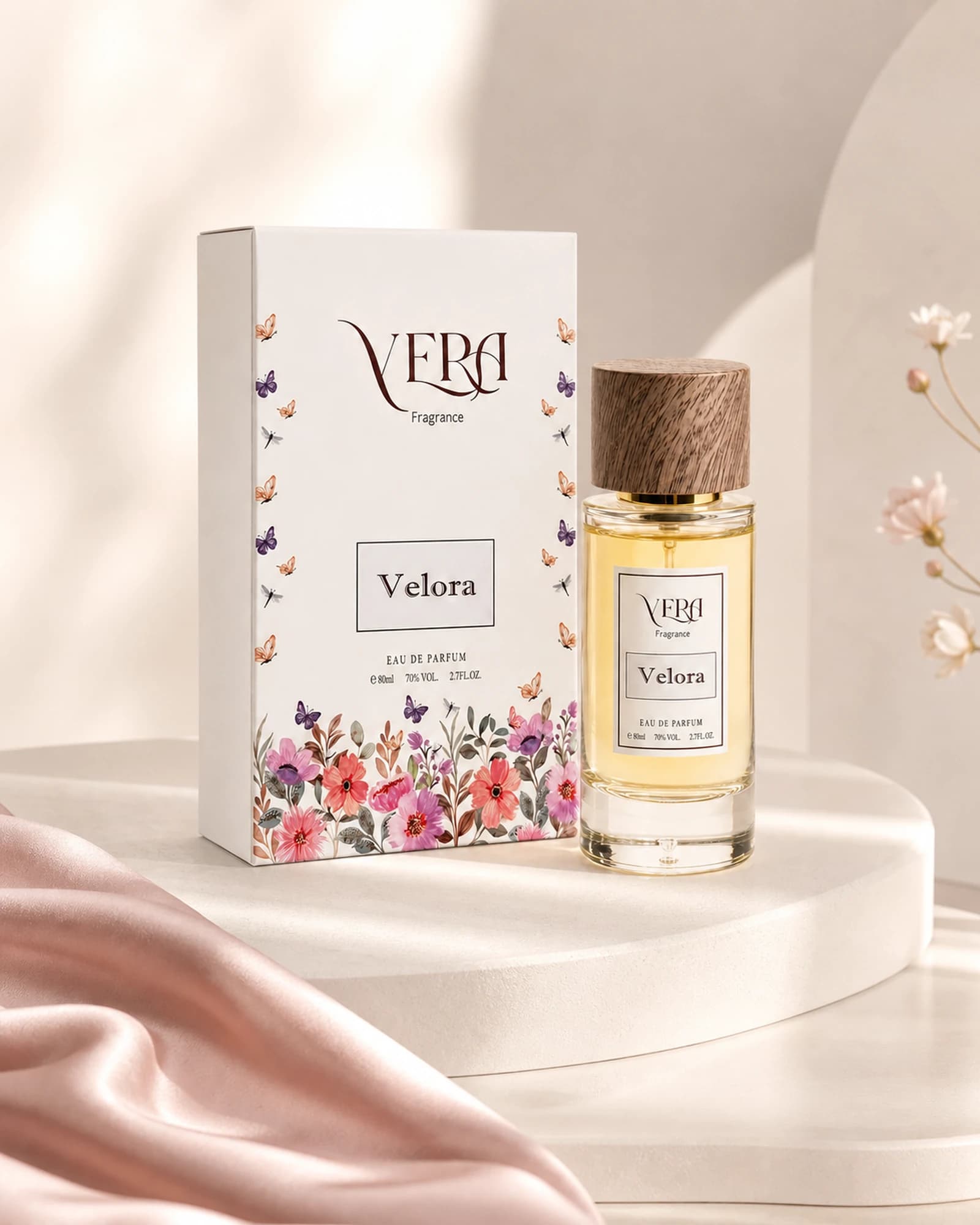
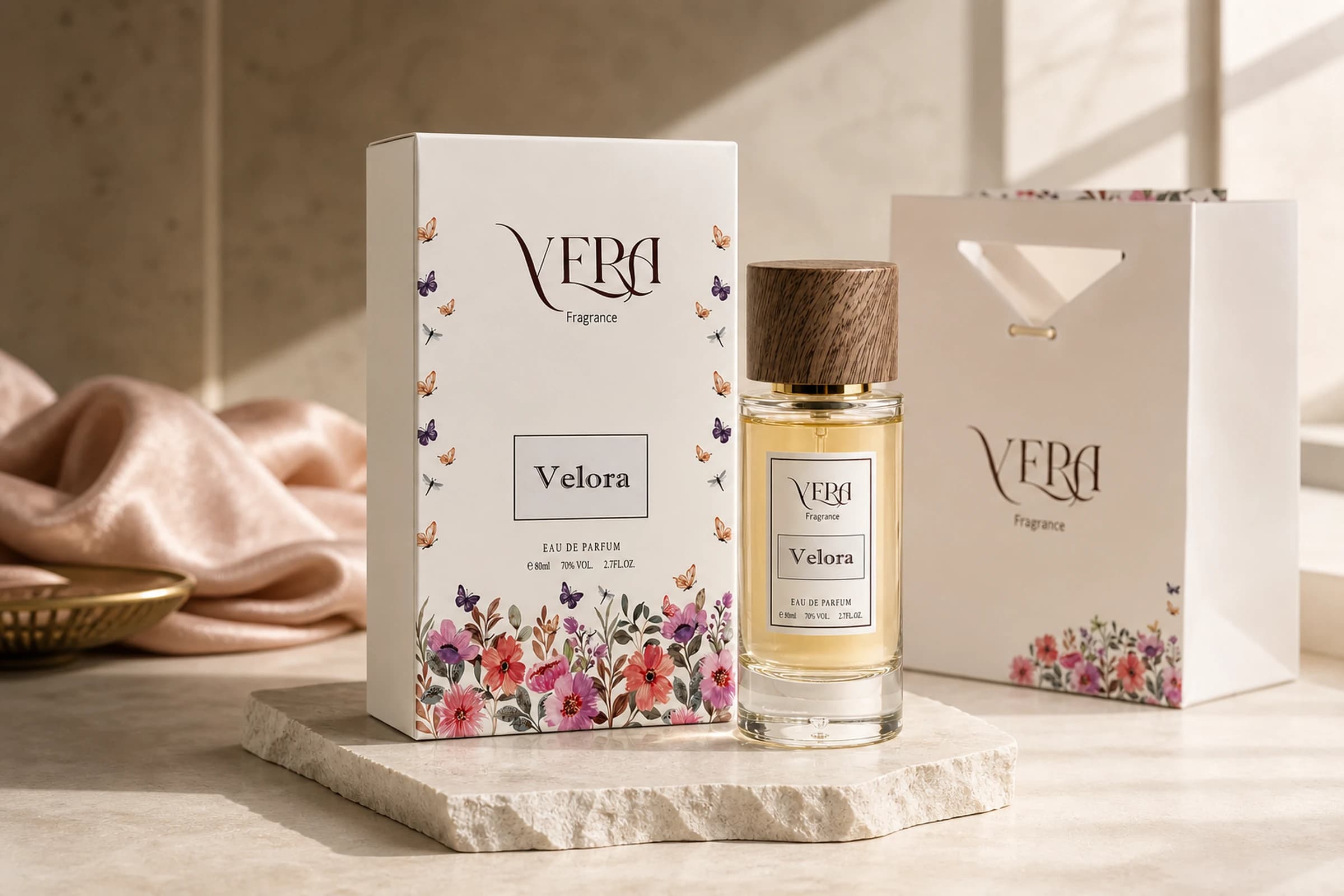
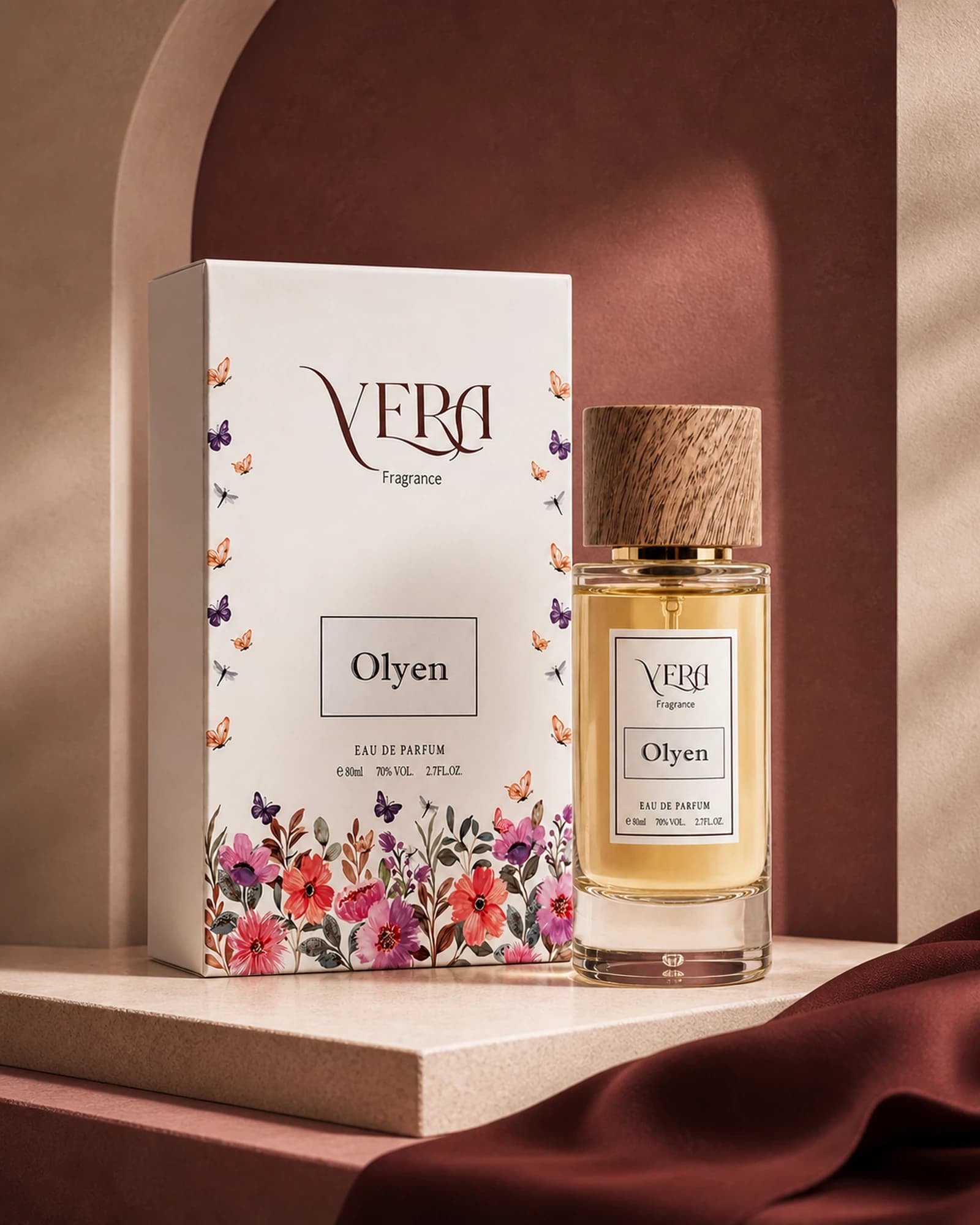
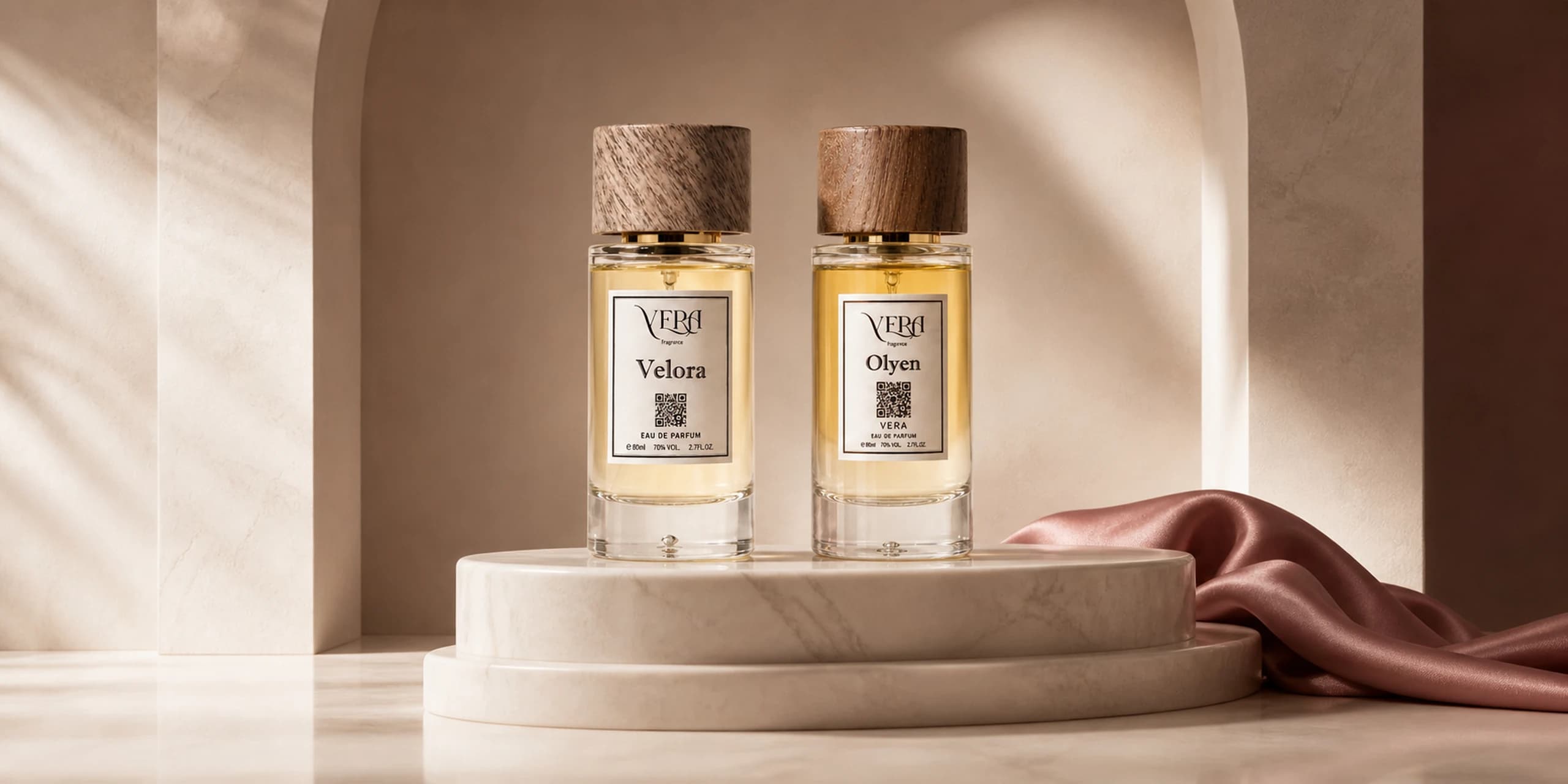
Velora and Olyen are each presented and sold as Eau de Parfum in an 80 ml bottle. VERA does not state a formula percentage or a guaranteed number of wear hours, so this guide does not add either claim.
Sources
The following authoritative sources support technical or safety-related points: