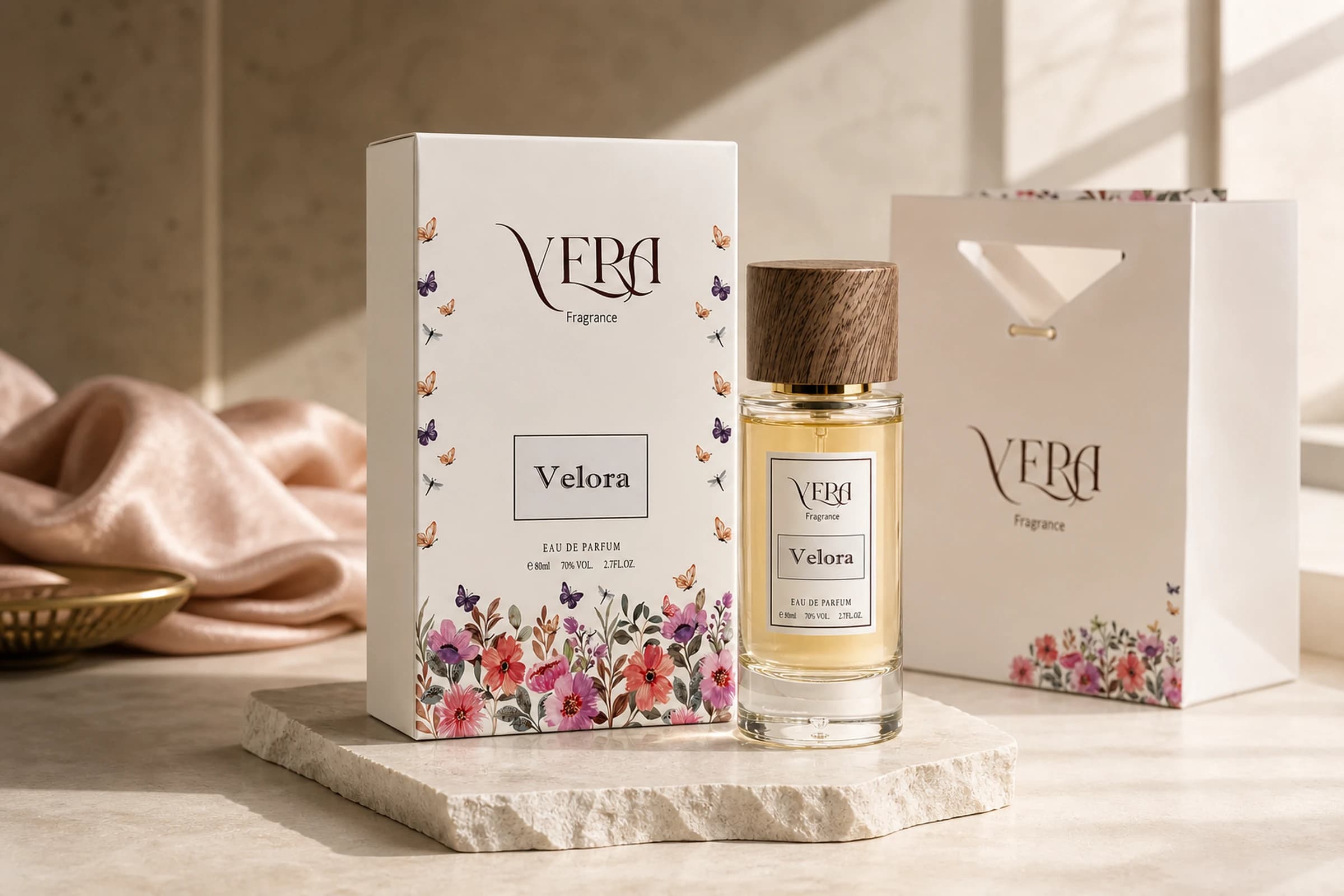
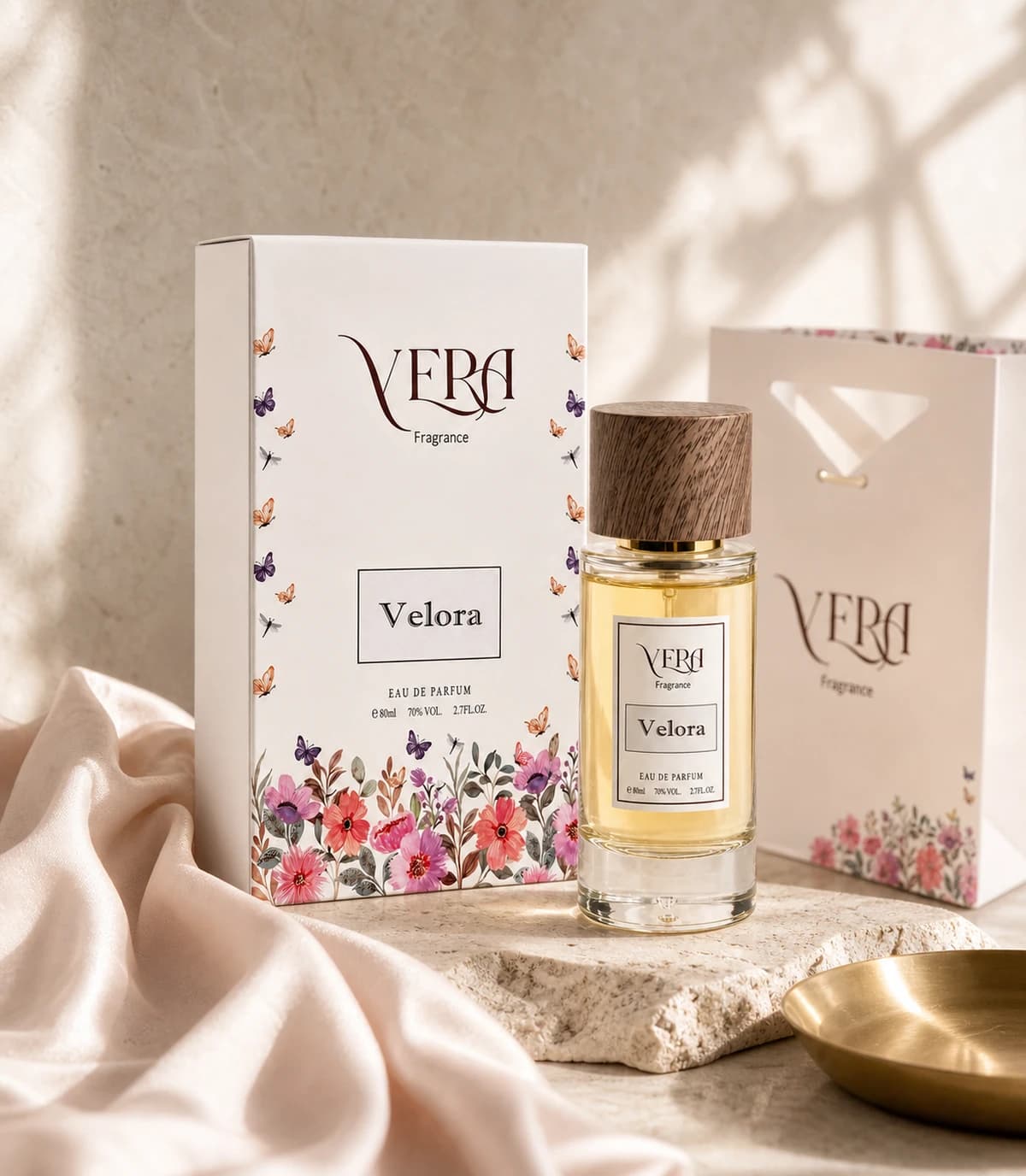
On skin, fragrance becomes personal
Warmth, skin condition, and natural variation affect how perfume develops. Apply to clean, comfortable skin and avoid irritated or broken areas. If you know you react to fragranced products, follow appropriate personal guidance rather than testing casually.
On clothing, fabric comes first
Fabric can hold scent differently, but perfume contains materials that may mark or change some textiles. Silk, delicate finishes, pale fabrics, leather, and specialist garments deserve particular caution. Check the care label and test on a hidden area if appropriate.
Use distance and control
Do not saturate one spot. A light, controlled application from a reasonable distance is easier to assess than a wet patch. Let the area dry before it touches jewellery, bags, or other fabrics.
Think about the day ahead
Skin application may suit a normal day when you want the scent to develop close to you. Clothing application may be considered when skin application is not preferred, but only after fabric risk is assessed. There is no universal winner.
A careful decision
Read the product packaging, protect delicate materials, and avoid turning general fragrance advice into medical guidance. If in doubt, use a lower-risk garment, test discreetly, or keep the fragrance on suitable skin rather than experimenting on valuable fabric.